


 Best Seller


Could That Small Car Noise Be Warning You of a Bigger Problem?
We’ve all been there. You hear a slight knocking sound when driving over a bump, a squeal when you apply the brakes, or a faint humming noise that wasn’t there before. At first, it’s easy to ignore, especially if the car still drives normally. Many motorists simply turn up the radio or convince themselves the sound will disappear on its own. Unfortunately, unusual noises are often your vehicle’s first way of telling you that something needs attention.
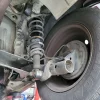
Cars rarely develop serious faults without giving some form of warning. A worn wheel bearing may begin with a low humming sound before becoming much louder. Loose suspension components often produce knocking noises over rough roads, while worn brake pads may squeal long before they stop working effectively. Even a damaged belt under the bonnet can produce a high-pitched chirping noise before it eventually snaps. Listening to these early warning signs can help you avoid unexpected breakdowns.
One of the biggest mistakes drivers make is waiting until the noise becomes unbearable before visiting a mechanic. By then, what started as a small repair may have affected other components. For example, ignoring worn brake pads can damage the brake discs, while driving with a noisy wheel bearing for too long can lead to more expensive suspension or hub repairs. Acting early usually means spending less money and avoiding unnecessary inconvenience.
Road conditions can also make these problems worse. Driving regularly over potholes, speed bumps, and uneven roads puts constant pressure on suspension, steering, and braking components. Even a relatively new vehicle can begin developing noises if these parts experience repeated impacts over time. That’s why it’s important not to dismiss new sounds as “normal,” especially if they weren’t there before.
If you notice a new noise, pay attention to when it happens. Does it occur while turning, braking, accelerating, or driving over bumps? These details can help identify the source of the problem much faster. The sooner the issue is diagnosed, the easier and more affordable it usually is to fix. Waiting for the noise to disappear on its own is rarely the best solution.
Your vehicle is designed to communicate when something isn’t right—you just have to listen. A small noise today could be preventing a much bigger repair tomorrow. Regular inspections, timely maintenance, and replacing worn parts before they fail will not only save you money but also keep your vehicle safer, smoother, and more reliable for every journey.